

It's a common sequence: a solar installer's enquiries slow down, so the response is to spend more on Google Ads or boosted social posts. Traffic goes up. Enquiries barely move. The problem usually isn't the ad spend — it's that the ads are pointing homeowners toward a directory listing or website that isn't doing its job once they arrive.
Paid Traffic Only Works as Well as What It Lands On
An ad's job is to get someone to click. Everything after that click — whether they trust what they see, whether they can tell what makes you different from the next installer, whether it's obvious how to contact you — determines whether that click turns into an enquiry. Spending more to send more people to a weak profile just means paying more for the same low conversion rate.
A thin listing with no reviews, a generic stock photo, and a one-line description gives a homeowner nothing to decide on except price — which is exactly the comparison you don't want to be reduced to if you're not the cheapest installer in your area.
What "Fixing the Listing First" Actually Means
Before increasing ad spend, it's worth auditing your existing directory and website profiles for the basics that actually drive conversion:
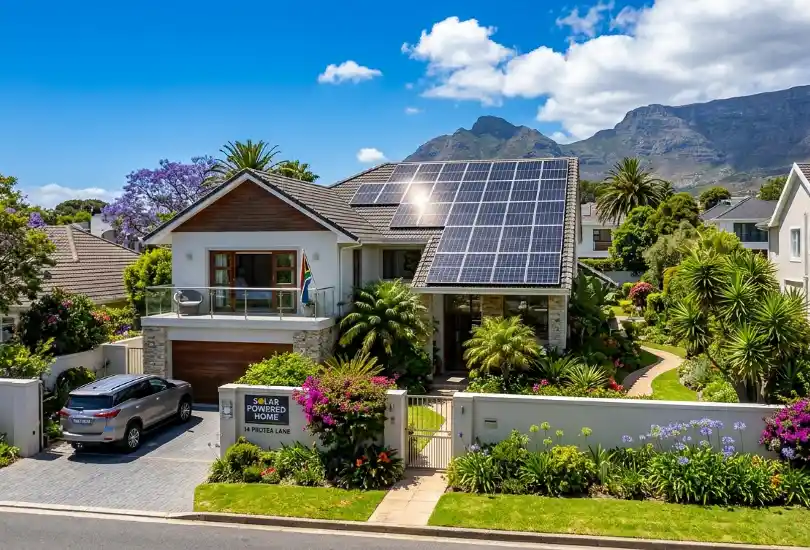
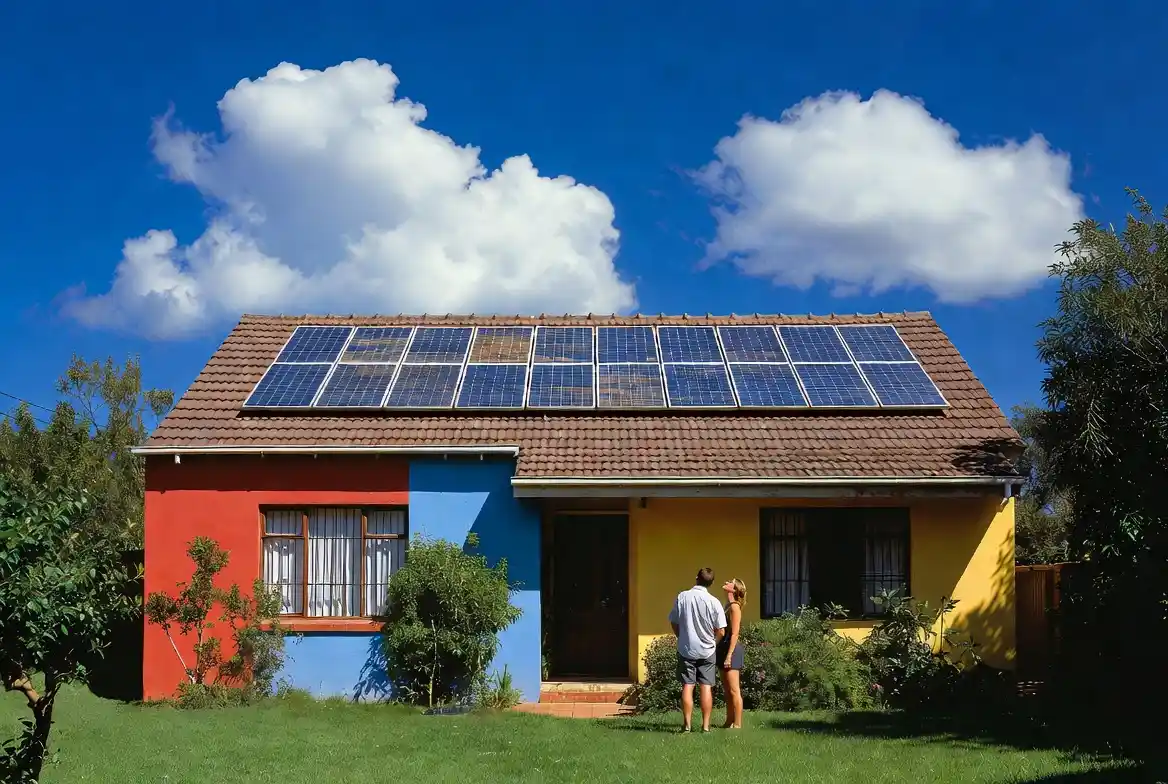
- Real photos of completed installations, not stock imagery — homeowners specifically look for evidence of actual work in your area
- A specific service area and specialisation, rather than a generic "we install solar" description that reads the same as every competitor
- Genuine reviews, and enough of them to look established, not just a handful from years ago
- A clear, low-friction way to make first contact — a quote request button converts differently than a bare phone number with no context
Most of this costs time to fix, not ad budget, and it lifts the conversion rate on every visitor you already get — organic, referral, and paid — not just the ones from a new campaign.
Why This Especially Matters for Directory Traffic
Directory traffic, including from a vetted platform like ADEO, tends to be homeowners actively comparing multiple installers side by side on one page. That's a moment where a complete, credible profile directly outcompetes a thin one sitting right next to it — the comparison is immediate and visual, unlike a standalone website where a visitor has less to compare against in the same view.
A Reasonable Order of Operations
If budget and time are both limited, tackling things in this order tends to produce better results than jumping straight to paid spend:
- Audit and fix your directory listings and website for the basics above
- Actively request reviews from recent, satisfied customers rather than waiting for them to appear organically
- Only then increase paid ad spend, once the traffic you're paying for has somewhere credible to land
Where SolarTally Fits In
Homeowners using our solar calculator are actively researching system size and budget before they ever look at installers — meaning by the time they reach ADEO to compare options, they're a step further along than cold ad traffic. A complete, credible listing is what turns that warm traffic into an actual enquiry rather than a bounce.
Frequently Asked Questions
How many reviews does an installer listing realistically need to look credible? There's no fixed number, but a handful of recent, detailed reviews consistently outperforms a large number of generic one-line ones — recency and detail matter more than raw count.
Is it worth paying for professional photography of completed installations? Generally yes, if budget allows — photos of real, local, completed work are one of the highest-impact elements on a listing, and phone photos taken carelessly can undercut an otherwise strong profile.
Should I pause ad spend entirely while I fix my listing? Not necessarily — but it's worth treating listing improvements as the higher-priority fix, since it lifts the return on every existing traffic source at once, ads included.

Writes about solar and renewable energy for South African homes and businesses at SolarTally, and cross-checks every guide against current tariffs and installer standards.


Popular on SolarTally