

Installers tend to describe their business the way they see it internally — years of experience, certifications, brand partnerships. Homeowners searching for an installer are usually asking a narrower, more practical set of questions, and a listing or website optimised around the installer's internal self-image can miss what actually gets a homeowner to click and enquire.
What Homeowners Are Actually Trying to Answer
Before contacting an installer, most homeowners are working through a short mental checklist: Does this company work in my specific area? Have they done jobs like mine before? Do other people trust them? Is a rough price range in the right ballpark? A listing or website that answers those four questions clearly, near the top, tends to outperform one that leads with company history or brand logos — however impressive those are on their own terms.
Local Specificity Beats General Claims
"We service the whole of Gauteng" is a weaker signal to a homeowner in a specific suburb than a listing that mentions recent jobs in or near their actual area. Specificity reads as credibility — a broad, generic service-area claim reads as generic marketing copy, even when it's true. Where possible, naming actual suburbs or towns worked in recently is a stronger local trust signal than a wide, unspecific coverage claim.
Photos of Real, Local, Completed Work
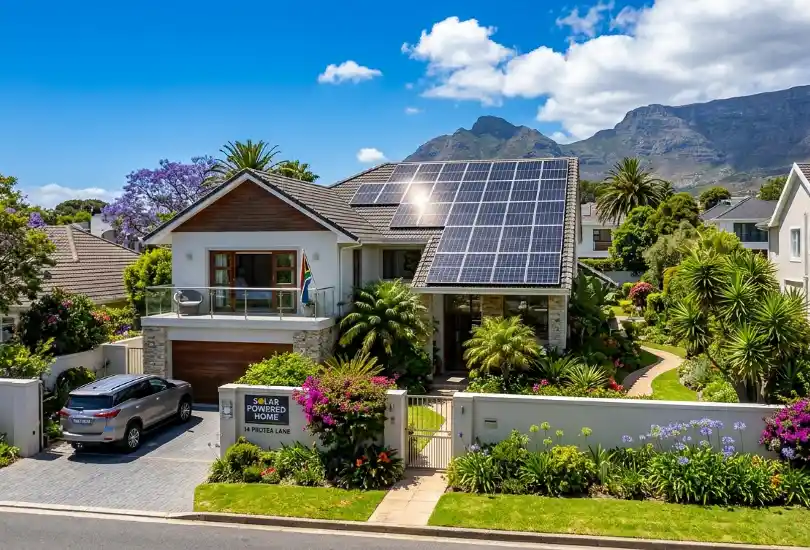
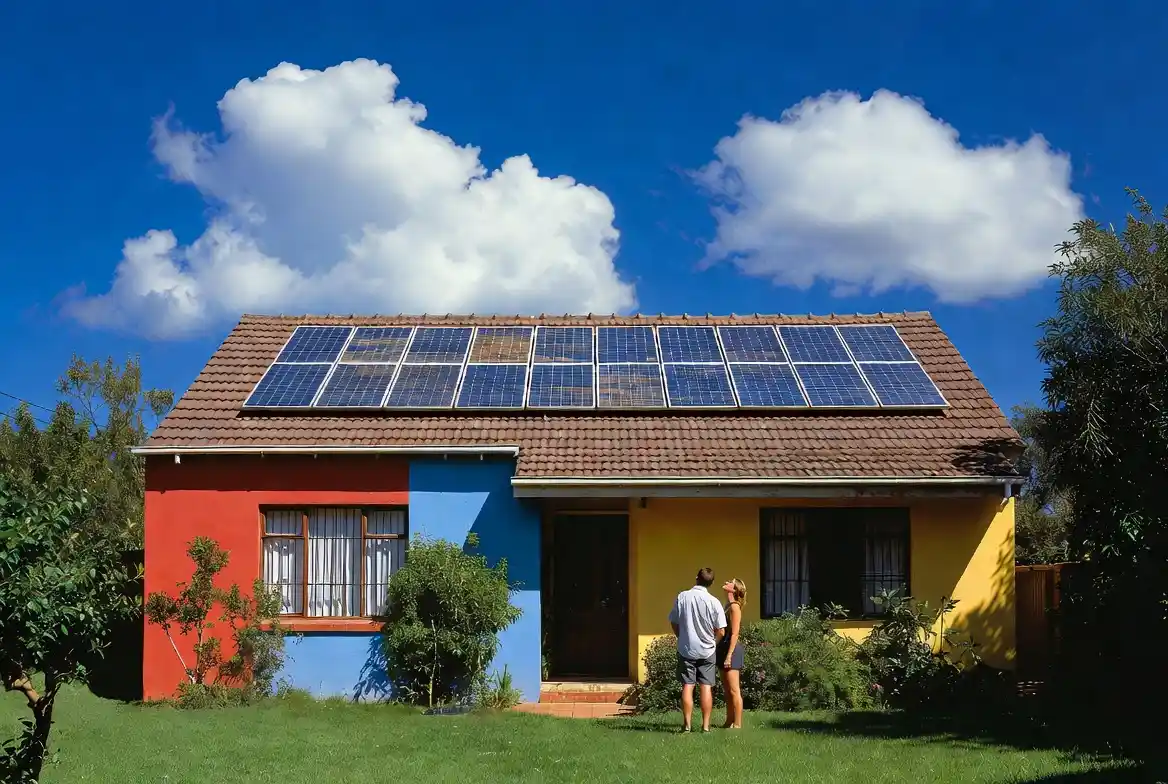
Homeowners comparing installers side by side (as they do on a directory) respond strongly to photos of actual completed installations — ideally ones that look like their own type of roof or property. Stock photography of generic panels is easy to spot and does little to build trust; real photos, even imperfect ones, consistently outperform polished stock imagery for this specific decision.
Recency and Specificity in Reviews
A handful of detailed, recent reviews outperform a large number of old, generic ones. "Great service, highly recommend" from three years ago carries less weight than a specific, recent review mentioning the actual job, price fairness, and how issues (if any) were handled. Actively requesting reviews after each completed job, rather than waiting for them to appear organically, keeps a listing's review profile current and specific.
Price Signals Matter More Than Exact Prices
Very few homeowners expect (or want) an exact price without a site visit — but a rough indication of what a typical system in their situation might cost helps them decide whether to even make first contact. Listings and pages that give zero pricing signal at all can lose homeowners who assume, often wrongly, that a lack of pricing means the company is out of their budget.
Closing the Gap
None of this requires reworking a company's actual service — it's a matter of what gets surfaced first, and in what language, on the listing or website a homeowner actually sees. Installers listed on ADEO are encouraged to lead with exactly this: local specificity, real photos, recent reviews, and a clear next step — because that's what the traffic reaching the directory (much of it having already run our solar calculator and formed a rough budget expectation) is actually looking for.
Frequently Asked Questions
Should I list specific suburbs even if I technically service a whole province? Yes — naming the specific areas you've recently worked in is a stronger trust signal than a broad claim, even if your actual service area is wider.
Is it worth showing a price range if I can't guarantee an exact price? Generally yes — a rough range framed clearly as indicative reduces the number of homeowners who self-select out of contacting you due to uncertainty about affordability.
How recent do reviews need to be to matter? There's no fixed cutoff, but reviews from the last several months carry noticeably more weight with homeowners than ones several years old, even if the underlying service quality hasn't changed.

Writes about solar and renewable energy for South African homes and businesses at SolarTally, and cross-checks every guide against current tariffs and installer standards.


Popular on SolarTally