
Battery storage is usually the single most expensive component in a home solar system, priced by capacity — so it's also the component where oversizing quietly costs the most. "Get the biggest battery you can afford" sounds like sensible caution, but it's often the wrong instinct once you actually work out what that extra capacity is buying you.
What a Battery's Size Actually Needs to Match
A battery sized correctly answers a specific question: how many hours, running which circuits, do you need covered during an outage or overnight? That's a function of your essential load (fridge, lights, wifi, maybe a few plugs — not your oven, geyser, or aircon, unless you're planning for a much larger system) multiplied by how many hours you want that covered for.
A battery sized well beyond that answer doesn't make your backup "more reliable" in any meaningful way — it just sits partially unused most of the time, having cost considerably more than a right-sized alternative.
Where Oversizing Commonly Happens
Two patterns show up often:
- Sizing for the longest imaginable outage, not the realistic one. Stage 6 load shedding schedules are hours, not days — sizing a battery for a multi-day blackout scenario that essentially never happens in practice is expensive insurance against something unlikely to occur in that form.
- Sizing the battery around total home usage, not essential-circuit usage. If your battery is wired to your whole distribution board rather than a dedicated essential-circuits panel, you'll drain it far faster than planned the first time load shedding hits during dinner and laundry — pushing installers toward recommending bigger (pricier) batteries to compensate, when the cheaper fix is simply wiring backup to essential circuits only.
The Case Where Bigger Genuinely Helps
If you're also using solar for time-of-use tariff arbitrage — storing midday generation to use during expensive evening peak pricing — a bigger battery does have a real, calculable financial return, separate from backup value. That's a different sizing question entirely (see our piece on time-of-use tariffs and battery sizing), and worth keeping distinct from pure backup planning so you're not paying backup-grade prices for capacity that's actually doing tariff arbitrage, or vice versa.
A Practical Sizing Checklist
- List your genuinely essential circuits and their combined draw
- Decide the realistic number of hours you want covered (based on your area's actual load shedding pattern, not a worst case)
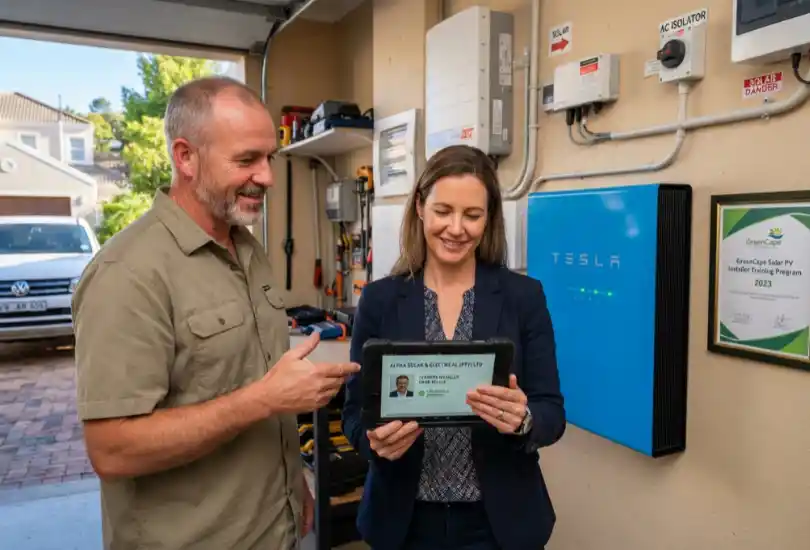
- Confirm your installer is wiring backup to those circuits specifically, not the whole board
- If tariff arbitrage is also a goal, size that separately and add it on top — don't blend the two into one vague "bigger is safer" number
Check Your Own Numbers First
Our solar calculator lets you specify whether backup is a priority and estimates a sensible starting system accordingly, rather than defaulting to the largest available option. Use that as a sanity check against any battery size an installer proposes — if their number is dramatically larger than what the calculator suggests for your stated priorities, ask them to walk you through exactly what it's sized for. You can compare installers who'll have that conversation properly on ADEO.
Frequently Asked Questions
How do I know which circuits are "essential"? Typically lights, fridge/freezer, wifi router, and a few general plugs — high-draw appliances like geysers, ovens, and aircon units are usually excluded from essential-circuit backup planning unless the whole system is sized much larger.
Does a bigger battery mean a longer battery lifespan? Not directly — lifespan depends more on battery chemistry, charge/discharge cycles, and operating temperature than on raw capacity.
Can I add more battery capacity later instead of oversizing now? Often yes, depending on the inverter and battery system chosen — worth asking your installer specifically whether the system is expandable before deciding to oversize upfront "just in case."

Writes about solar and renewable energy for South African homes and businesses at SolarTally, and cross-checks every guide against current tariffs and installer standards.


Popular on SolarTally