

Owning a rooftop solar system outright isn't the only way a South African business can benefit from solar. For SMEs without the capital, roof space, or appetite for maintaining their own system, two other structures are worth understanding: wheeling and power purchase agreements (PPAs). Both let a business benefit from solar-generated electricity without buying and running the hardware itself.
What a Solar PPA Actually Is
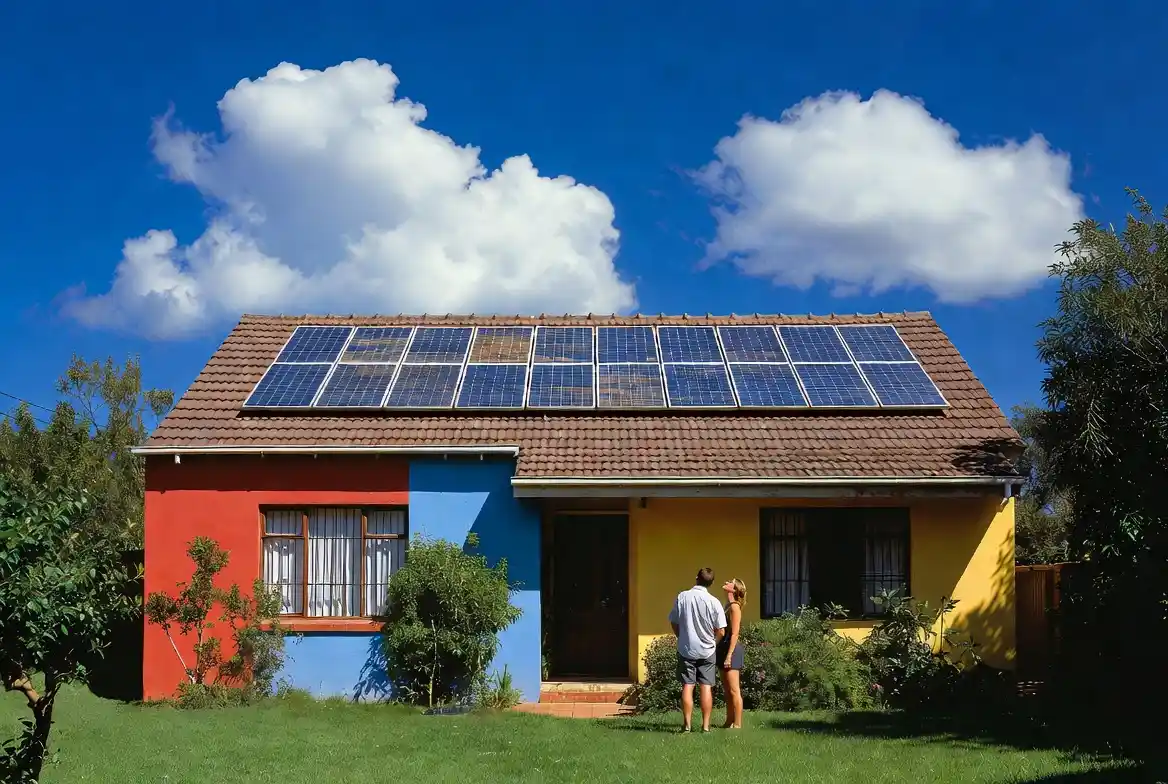
In a power purchase agreement, a third party (often the installer or a dedicated energy company) owns, installs, and maintains the solar system — usually on your roof or premises — and you agree to buy the electricity it generates at an agreed rate, typically for a fixed term of several years. You get solar-discounted electricity without the upfront capital cost, and the PPA provider carries the maintenance responsibility and the equipment risk.
The trade-off is that you don't own the asset, the rate you pay is locked into a contract, and exiting early usually carries a cost. For businesses with strong cash reserves and a long-term view of the property, owning outright generally delivers a better total return over the system's lifespan. For businesses that would rather avoid capital outlay or maintenance responsibility, a PPA converts a capital decision into an operating expense decision.
What Wheeling Adds to the Picture
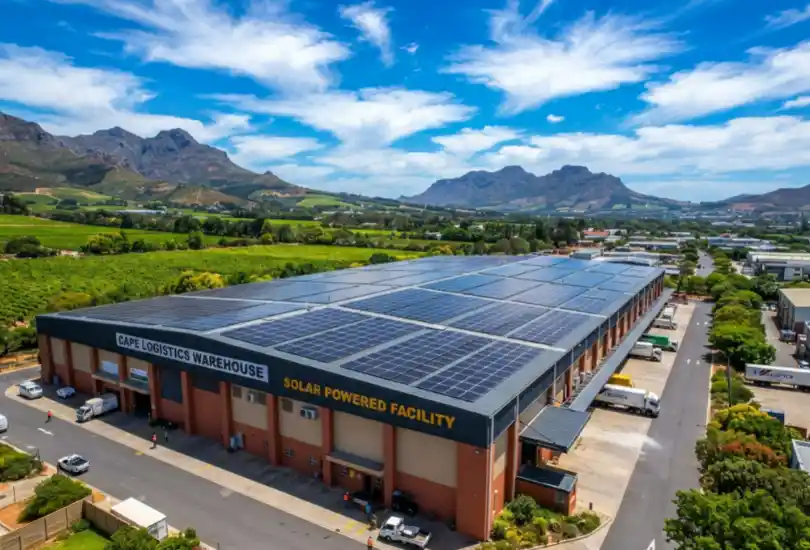
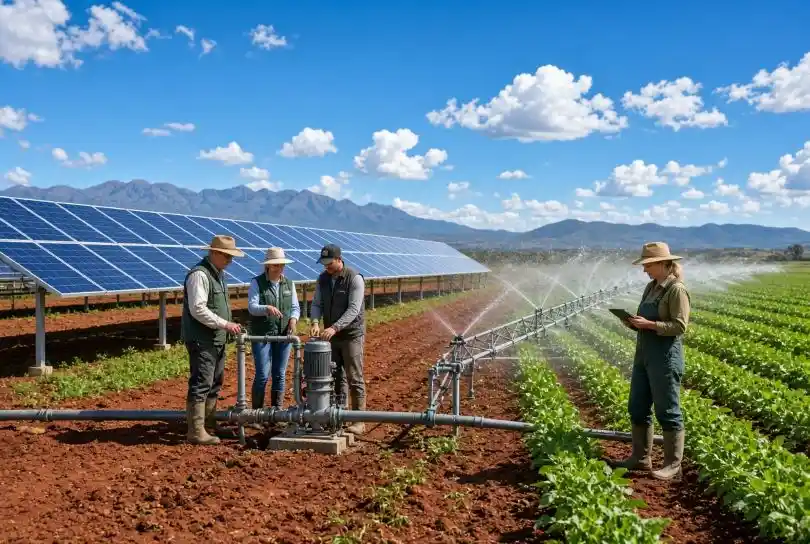
Wheeling refers to using the existing municipal or Eskom grid to transport electricity generated at one location (say, a solar farm) to your business premises elsewhere, under an agreement with a generator you don't have physical access to install on your own roof. It's most relevant to businesses that don't have suitable roof space, are in a leased premises where installing solar isn't practical, or want to buy renewable electricity at scale without hosting any generation equipment themselves.
Wheeling arrangements vary by municipality — not all municipalities currently support third-party wheeling on their networks in the same way, and the commercial terms (transmission charges, losses, administrative fees) differ. It's a more complex arrangement to set up than an on-site PPA, and is generally more relevant to medium-to-large commercial and industrial users than smaller SMEs, though this is shifting as more municipalities open up wheeling frameworks.
How to Decide Which Structure Fits Your Business
A few questions help narrow the decision:
- Do you own or lease your premises, and for how much longer? A long lease or ownership favours on-site solar (owned or PPA); a short or uncertain lease term favours wheeling or simply staying on standard tariffs.
- Do you have the roof space and structural capacity for solar? If not, wheeling is often the only route to renewable electricity without off-site generation you build yourself.
- Is capital outlay or long-term unit cost the bigger priority? Outright ownership typically wins on long-term cost; a PPA wins on avoiding upfront capital; wheeling trades simplicity for flexibility if on-site generation isn't an option at all.
Getting Real Numbers Before You Compare Structures
Before evaluating PPA or wheeling quotes, it helps to know roughly what an owned system would cost and save for comparison. Our solar calculator gives a starting estimate for system size and payback based on your usage, which is a useful baseline even if you ultimately go the PPA or wheeling route instead of buying outright.
When you're ready to get proposals, you can compare vetted commercial solar providers — including those who structure PPAs — on ADEO.
Frequently Asked Questions
Is a solar PPA cheaper than buying a system outright? Not usually over the full term — PPAs trade a lower total return for zero upfront capital and no maintenance responsibility, which suits businesses prioritising cash flow over long-term unit cost.
Can a small business access wheeling, or is it only for large industrial users? It depends on your municipality's current framework — some now support smaller commercial wheeling arrangements, though it remains more common and more established for larger commercial and industrial users.
What happens at the end of a PPA term? Terms vary by provider — some offer to transfer ownership of the system to you at a reduced price, renew the agreement, or remove the equipment. Always confirm the end-of-term terms in writing before signing.

Writes about solar and renewable energy for South African homes and businesses at SolarTally, and cross-checks every guide against current tariffs and installer standards.


Popular on SolarTally