

A proper solar system sizing calculation isn't guesswork, and it isn't proprietary secret sauce either — it's a fairly standard sequence of inputs that any competent installer should be able to walk you through. If a quote arrives with a system size and price but no visible working behind it, that's worth questioning before you sign anything.
The Core Inputs a Sizing Calculation Should Use
- Actual usage data — ideally from recent bills or, better, interval/load-profile data, not a guess based on household size or a generic average
- Location-specific sun hours — your municipality or province's realistic average peak sun hours, not a national or overseas default
- Self-consumption assumption — what percentage of generated solar power you're realistically expected to use as it's produced, versus exported or wasted; this should never be assumed at 100%
- Priority: backup, bill savings, or both — since these lead to different system shapes, as covered in our piece on backup-only vs bill-killing systems
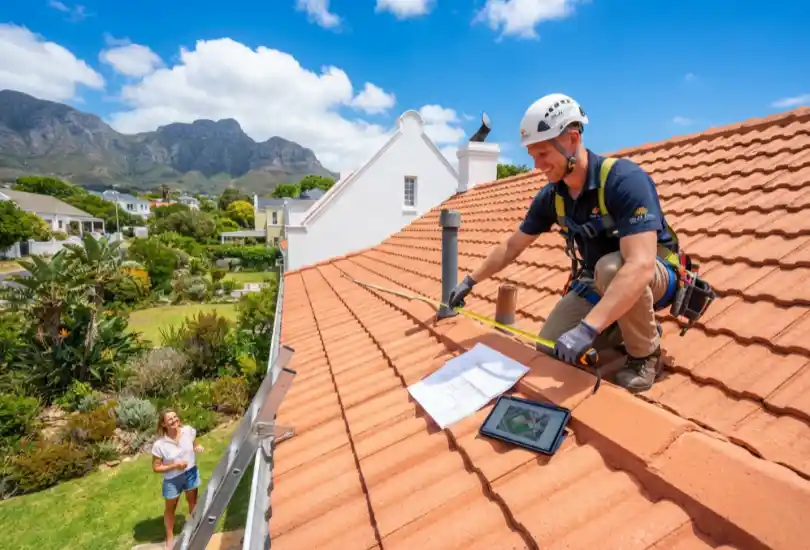
- Roof constraints — usable area, orientation, shading — which can cap what the "ideal" calculation suggests
A calculation missing more than one or two of these is likely a template-based estimate rather than one genuinely built around your property and usage.
Questions That Reveal Whether the Calculation Is Real
Rather than asking to see a spreadsheet (which most homeowners can't evaluate anyway), a few direct questions reveal a lot:
- "What usage data did you base this on?" — a specific answer referencing your bills is a good sign; a vague answer isn't
- "What self-consumption percentage did you assume?" — if the installer can't answer, the savings estimate in the quote is likely optimistic
- "Did you account for [your specific roof orientation/shading]?" — tests whether the calculation is generic or property-specific
- "Why this system size and not smaller or larger?" — a confident, specific answer beats a shrug
Why This Matters More Than It Might Seem
An undersized system underdelivers on savings or backup relative to what was promised. An oversized system means you've paid for capacity you'll rarely use. Both outcomes trace back to the same root cause — a sizing calculation that wasn't genuinely built around your actual property and usage — which is exactly why asking to see the working, even informally, is worth the slightly awkward conversation.
A Reasonable Starting Point Before You Even Call an Installer
Running your own numbers through a calculator that asks for your usage, location, and priorities first gives you an independent figure to compare every installer quote against. Our solar calculator does exactly that — not a substitute for a proper site assessment, but a useful check on whether a quote's system size is in a sensible range for your situation, or an outlier worth questioning.
Getting a Proper Assessment
A true sizing calculation should ultimately be confirmed by an in-person or remote site assessment covering your roof's actual condition, since no calculator — including ours — can see your shading or roof structure. Installers listed on ADEO are a reasonable place to start that process with confidence the basics are covered.
Frequently Asked Questions
Can I size my own system without an installer? You can get a reasonable estimate independently (our calculator is built for exactly this), but final sizing should be confirmed by a professional site assessment before any purchase decision.
Why do quotes for the same house sometimes suggest very different system sizes? Usually because installers are making different assumptions about self-consumption, priority (backup vs bill savings), or usage data — worth asking each installer directly what assumptions drove their number.
Is a bigger recommended system always better? Not necessarily — a system sized beyond your usage and inverter capacity can waste money on capacity you won't use, which is why understanding the calculation matters more than simply comparing final sizes.

Writes about solar and renewable energy for South African homes and businesses at SolarTally, and cross-checks every guide against current tariffs and installer standards.


Popular on SolarTally