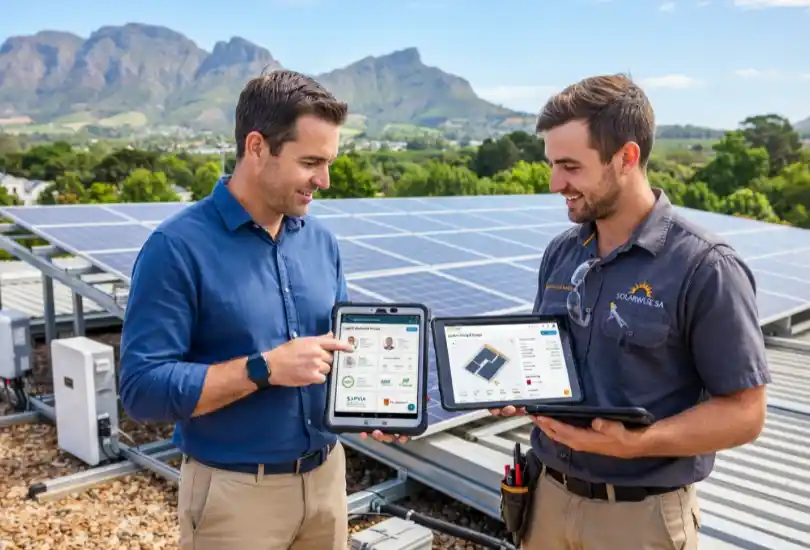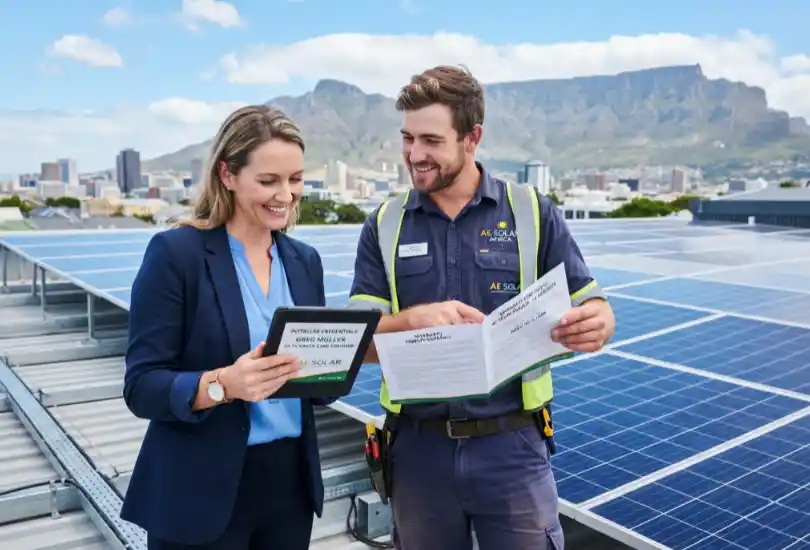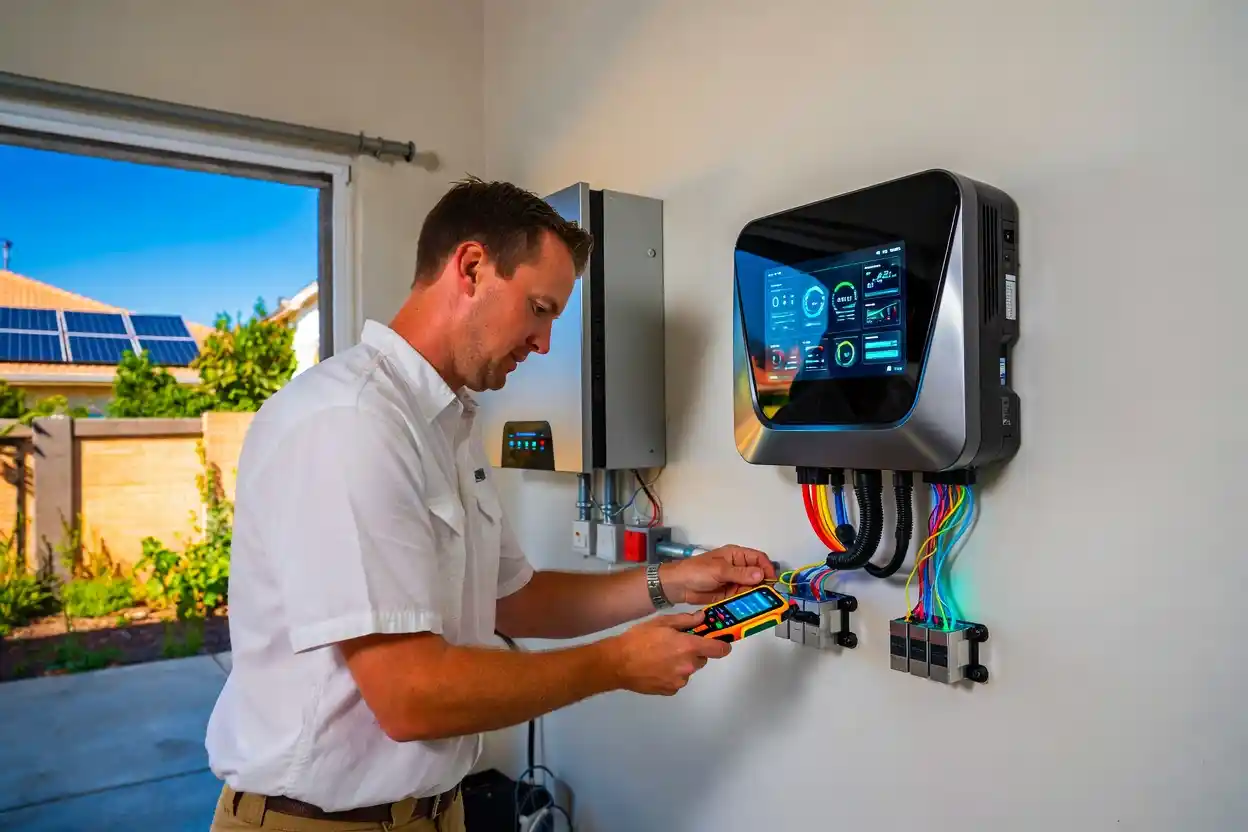

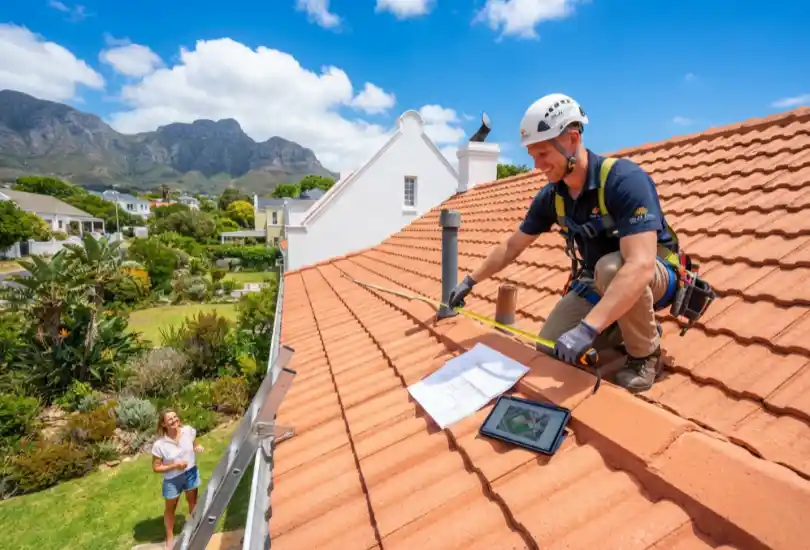
A site assessment is where a rough online estimate becomes a real, buildable system design — and it's also where a rushed, box-ticking visit can miss things that surface as problems months after installation. Knowing what a thorough assessment should cover helps you tell the difference before you sign anything.
Roof Condition and Structural Capacity
Beyond simply confirming panels will physically fit, a proper assessment checks the roof's structural condition and remaining lifespan — installing solar on a roof that will need replacement within a few years creates an expensive, avoidable problem, since panels typically need removing and reinstalling for roof work underneath them. A thorough installer should ask about roof age and flag any visible concerns, not just measure available space.
Shading Analysis, Not Just a Visual Glance
Shading from trees, chimneys, neighbouring buildings, or even your own roof features changes throughout the day and across seasons as the sun's angle shifts — a quick midday visual check can miss shading that significantly affects generation at other times of day or year. Proper shading analysis, ideally using tools that model sun position across the day and seasons rather than a single-moment observation, is a meaningful marker of assessment quality.
Electrical Infrastructure Review
The assessment should cover your existing distribution board's condition and capacity, where the inverter and any battery will be located, and cable routing from panels to inverter to distribution board. Skipping this and only focusing on the roof can lead to unexpected additional costs discovered during installation, when electrical infrastructure turns out to need upgrading to safely support the new system.
Usage Data, Not Just a Guess
As covered in our piece on how installers size systems, a proper assessment should incorporate your actual usage data — recent bills at minimum, ideally load-profile data for commercial sites — rather than sizing purely off roof space and a generic assumption about your household or business's needs.
Priority Clarification: Backup, Bill Savings, or Both
A thorough assessment asks directly what you're solving for — as covered in our piece on backup-only vs bill-killing systems — since this materially changes the recommended system design, not just its size. An assessment that jumps straight to a proposed system without this conversation is skipping a genuinely important step.
What a Rushed Assessment Often Misses
- Seasonal shading variation, caught only by a single-moment visual check
- Roof condition and remaining lifespan
- Distribution board capacity and required electrical upgrades
- Your actual usage pattern, versus a generic assumption
- Whether backup or bill savings (or both) is genuinely the priority
What to Expect From a Genuinely Thorough Assessment
A proper assessment typically takes real time on-site — not a five-minute walk-around — and should result in a proposal that references specifics about your actual property, not a generic template with your address swapped in. If a quote arrives suspiciously fast after a brief visit, with no specific detail about your roof, shading, or usage referenced, that's worth questioning.
Getting a Baseline Before the Assessment
Our solar calculator gives a starting estimate based on your usage and location — a useful figure to compare against whatever an installer proposes after their site assessment. Compare installers known for thorough assessments on ADEO.
Frequently Asked Questions
How long should a proper site assessment take? It varies by property complexity, but a assessment that's over in a few rushed minutes with no real roof inspection is a reasonable cause for caution, not confidence.
Is a remote or satellite-image-based assessment as good as an in-person one? Remote tools can be a reasonable first pass, but a physical roof and electrical infrastructure inspection is generally necessary before finalising a system design, not just an initial estimate.
Should I be present during the site assessment? Generally a good idea — it's an opportunity to ask questions directly, point out anything the installer might not notice (a tree you're planning to remove, planned roof work), and get a feel for how thorough the process genuinely is.

Writes about solar and renewable energy for South African homes and businesses at SolarTally, and cross-checks every guide against current tariffs and installer standards.


Popular on SolarTally